
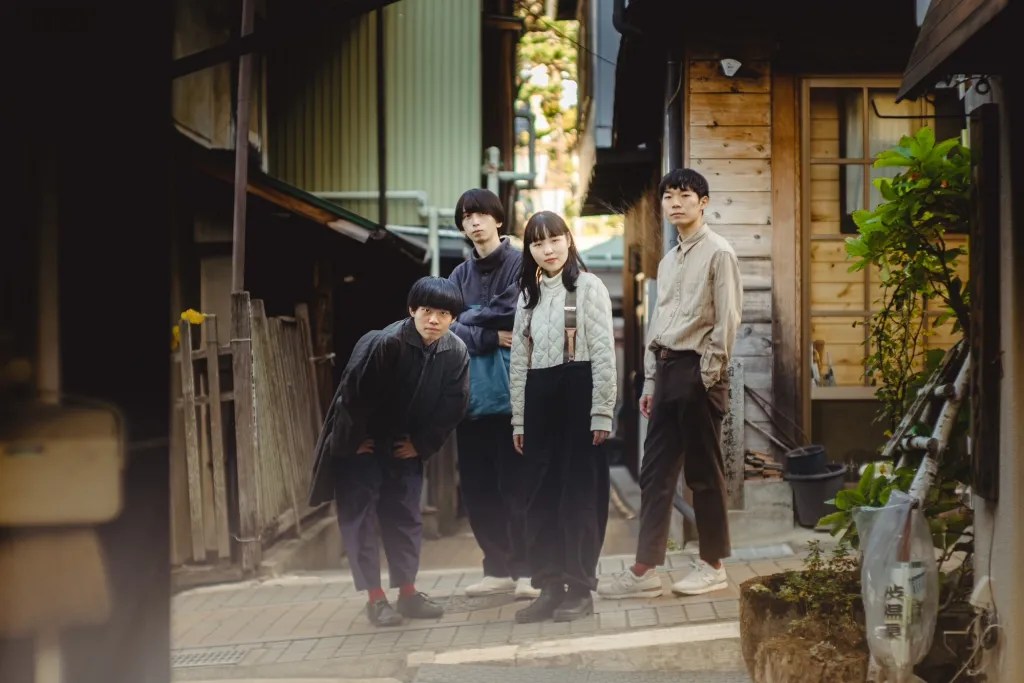
The members of Nagakumo have no interest in living in the past.
“No way. I look at the era we live in now, where you have so much access to so much music via YouTube and streaming, and I’m like, ‘this is amazing,’” Reiji Onishi, the group’s primary songwriter and guitarist, says from his home in Hyogo Prefecture.
“I think the ‘90s or the Bubble era of the ‘80s in Japan is interesting, but I don’t want to go back to that time,” Saya Komono, vocalist and guitarist, adds from her home about an hour train ride away in Osaka. “Our music could only exist in this moment.”
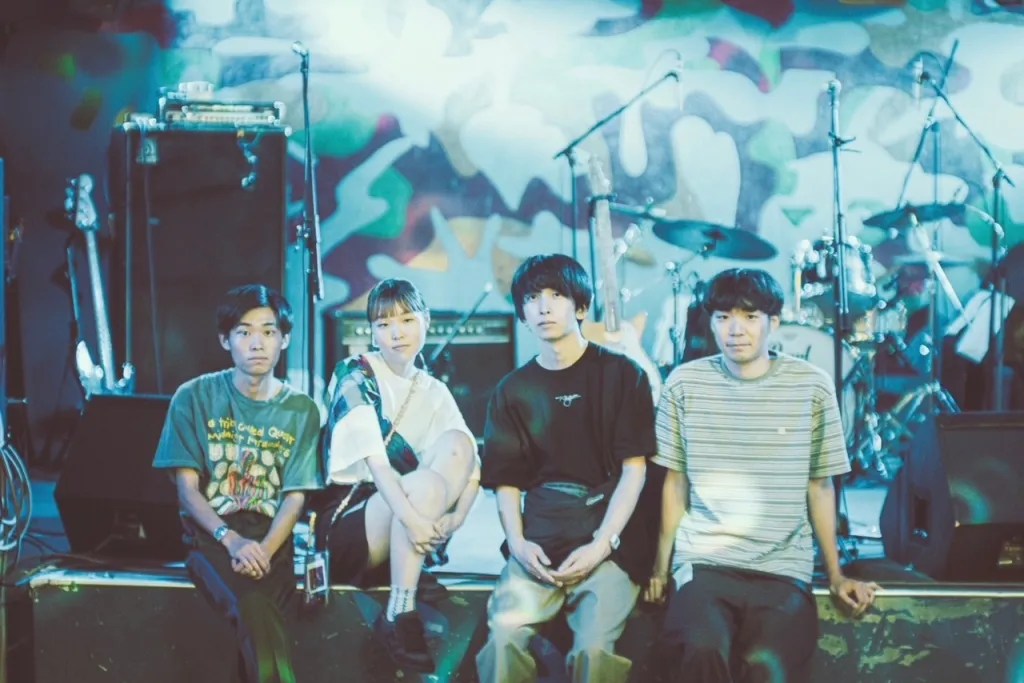
This attitude underlines how Nagakumo – composed of Komono, Onishi, drummer Rudo Kobe, and bassist Teppei Omura – has stood out in Japan’s indie environment. Since debuting on New Year’s Day 2021 with a YouTube upload of its jazzy jaunt “TV Show,” the four-piece group draws from the past but does so in a way that avoids the trappings of pure nostalgia. Rather than stare back and try to replicate, Nagakumo adapts these references and brings them into modern times, with the members’ tastes and experiences adding personal color.
“When I write my lyrics, they always come from my own experiences, my own life, my own personal thoughts,” Komono says. “It comes from the now – from 2024.”
In its short existence, Nagakumo has been tied to the past frequently. The uptempo pace and vocal sweetness animating the band’s songs draw from a style of indie pop pegged as “neo acoustic” in Japan, originally meant to describe the sweet post-punk acoustic drives of UK bands such as Orange Juice and Aztec Camera, whose influence jangles on in the Japanese underground scene.
That continued into the ‘90s when Japanese artists like Flipper’s Guitar and Hideki Kaji channeled the same energy in their guitar-guided works. That all played out alongside a different kind of retromania via Tokyo’s Shibuya-kei boom. Artists such as Pizzicato Five, Kahimi Karie, and Cornelius (one half of Flipper’s Guitar, moving away from “neo acoustic” to studio wizardry post-breakup) drew from and often literally sampled obscure sounds of yesteryear to create a pop pastiche defining Japan’s cooler enclaves during the ‘90s.
The ‘90s were the decade that influenced the members of Nagakumo. The 23-year-old Komono says her earliest memories of music came from going to karaoke with her mom, joining her in belting out contemporary J-pop and children’s songs, an experience that sparked a love of singing. Onishi, meanwhile, points to his parents playing an assortment of artists associated with “neo acoustic” and Shibuya-kei – such as Cornelius and Kirinji – while driving around in the family car as having a long-lasting impact on his songwriting.
“When I started composing music, I wasn’t specifically trying to make new Shibuya-kei… it was just natural to me because of what my parents kept playing for me,” he says. “I never try to do it on purpose.”
In Japanese media, the word “neo” acts in much the same way “core” does in the English press – a quick and often lazy add-on to try to describe some new movement. Across the 21st century, the country has seen “neo Shibuya-kei,” “neo city pop,” “neo gyaru” (referencing revitalized ‘90s fashion), and even “neo yokocho” to describe neon-soaked food courts. Despite multiple ways the group connects to older sounds, Nagakumo subverts this, describing their music as “neo-neo acoustic.” Originally suggested to them by the group’s sound engineer, the double “neo” cancels itself out, putting the focus back on the creativity and individuality of the members themselves. It’s not a revival or reaction – it’s just them expressing themselves.
Onishi began playing music in high school when he joined a light music club that got together after classes. Initially trying out the bass, he switched to guitar. “My senpai in the club played it, and he composed original music with it. That made me want to start creating my own songs.” Komono, meanwhile, initially tried to learn the piano while growing up in Hiroshima but found she wasn’t good at it. By the time she became a teenager, she also wanted to become a guitarist, joining classmates in a cover group where she developed her chops.
By the time she moved to Osaka for university, the roots of Nagakumo had formed. Onishi started a group called Yureru Dress while still in high school, featuring Omura on bass. That indie pop project lasted until 2020, when they went on hiatus, though Onishi and Omura wanted to start something new. Komono, by that point, had gone down a singer-songwriter path but performed in circles close to Onishi and Omura.
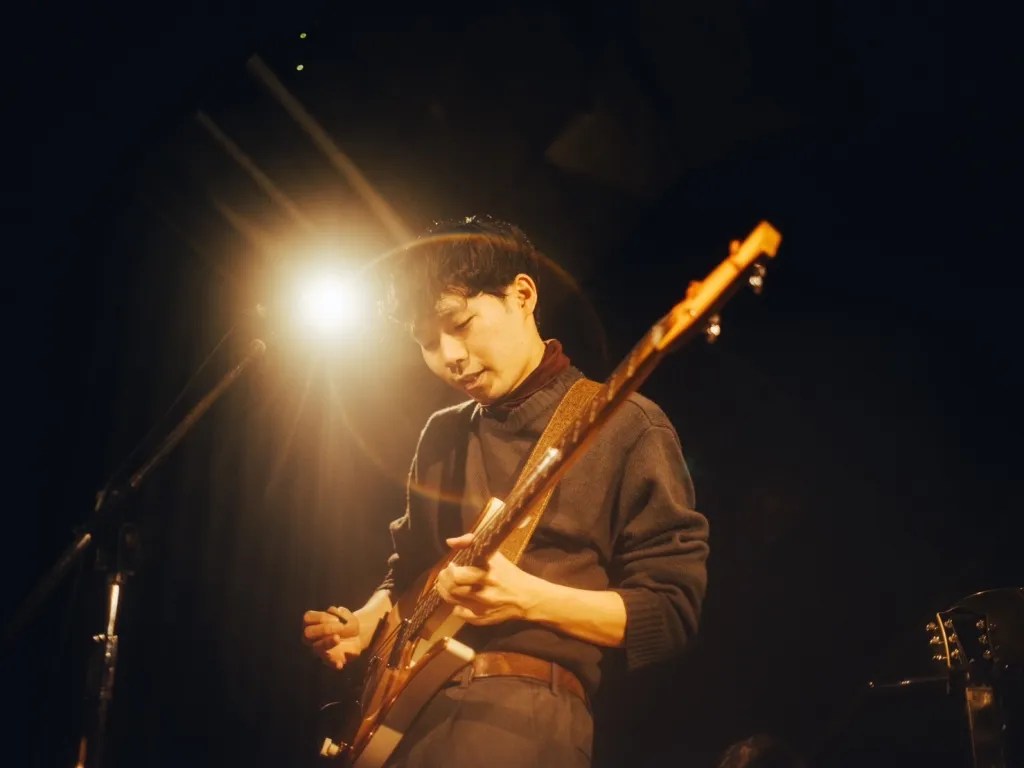
“I wrote one song, and I asked Onishi to take it and make it work with a band sound,” she says. “I explained how the song was about how I wanted to be part of a band. Not long after, Onishi asked me if I wanted to join Nagakumo.”
Drummer Kobe, a friend of Onishi’s from university, rounded out the lineup. While Onishi stresses the project didn’t come about because of the COVID-19 pandemic, he says that the realities of 2020 allowed Nagakumo time to focus on what it wanted to be until its first song in 2021.
Onishi has said in Japanese interviews that whereas Yureru Dress offered a chance for him to make the most of his skills at the time, Nagakumo was more about maximizing the collective’s strengths. While every member comes from a different background, they work together in a way where nothing comes out until every member agrees it’s good to go.
“I start by composing the music by myself, complete with the band sounds, from my home here,” Onishi says, adding that he largely does this part on the digital audio workstation Cubase. “Then I send it on our group LINE chat. Either Saya or I add words from there.”
The pair’s approach to lyrics offers a clear example of Nagakumo’s differences coming together to make something whole. Onishi’s writing emphasizes how words sound, approaching them as another instrument. On the band’s 2021 debut EP PLAN, his “TV Show” and “Time Travel Planner” use diction that dashes alongside the songs, more about clicking with the music around it than painting a scene. Saya, on the other hand, says she draws from her own life and from the movies she likes – particularly slice-of-life-in-the-city flicks such as 2021’s Machi No Ue De – when crafting her lyrics, reflected in her two contributions to that debut EP “Guzen” and “CITY GIRL,” which offer more detail-rich scenes.

Once the lyrics are completed, the band gets together and lets the songs transform. Kobe and Omura add a sense of live energy to the works – and, as Onishi says, sometimes completely change his original drafts. This process results in songs with short-story-like attention to details that still zip ahead, played with a livehouse-ready tightness that never gets off track.
While this approach has remained intact across Nagakumo’s three EPs, the band revels in adding new sonic styles to its palette. They dabble in jazzy melodies and swing on songs such as “Omoi Ga Kezu Ame” while engaging with the indie pop dash of bands on Japanese imprint Trattoria Records in the ‘90s. Last year’s JUNE EP saw the quartet explore sparse percussion and feedback on “Bedtime Bear” while picking up the pace significantly on closer “Magazine Killer.”
“It’s fun,” Onishi says, laughing when asked why Nagakumo explores so many sounds. “It’s fun to challenge so many different sounds and genres. But the real joy is finding a way to make that into something that is ‘Nagakumo’s sound.’”
This attitude is where Nagakumo breaks sharply from the Shibuya-kei comparisons. That scene revolved around curation in a pre-internet age – artists scoured record shops for inspiration and sample material, with a love of obscurity built into what they created. That’s something impossible in the 21st century, where the internet erases the idea of a hidden gem, and accessing everything seems easy. The members of Nagakumo didn’t wander dusty record shops looking for forgotten reference points – they grew up with YouTube. They aren’t looking to highlight their taste but rather express themselves as directly as possible, over whatever sounds interest them.
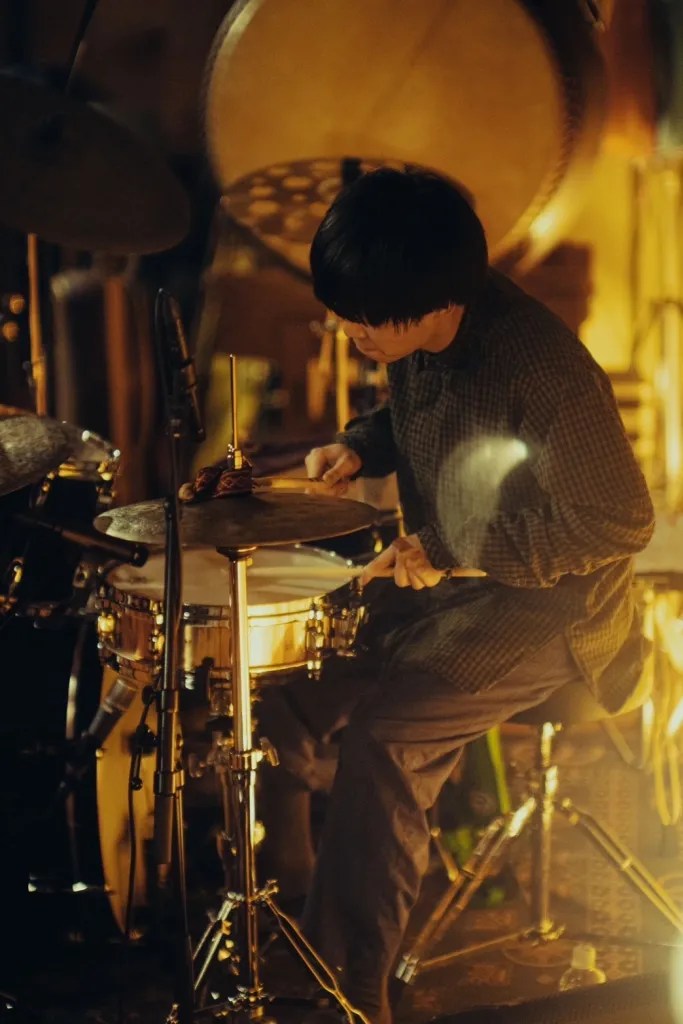
That immediacy has helped Nagakumo gain attention within Japan. Physical editions of the band’s PLAN and EXPO EPs have sold out, and at the time of writing, supplies of JUNE appear to be dwindling, too. Various tastemakers in the country have sung the group’s praises, most notably from the most popular YouTube music critic in the country, Mino Music, recommending them in a column. Perhaps most validating, “neo acoustic” and Shibuya-kei bridge artist Hideki Kaji recruited them to serve as an opener at a show in Osaka celebrating the 25th anniversary of his album Tea, a highlight of the ‘90s and one whose influence echoes in Nagakumo’s music.
“On our song ‘Omoi Ga Kezu Ame,’ there’s a part where I play the tambourine during live shows,” Komono says, describing how their reputation has changed. “I don’t know when it started… but at some point, the audience starts clapping along with me during that part. I was shocked… How did you guys learn that? We even see it at bigger live shows. It’s now what I look forward to.”
While gaining in popularity domestically, the members of Nagakumo remain true to their roots. “I hear about lots of artists who want to move to Tokyo to get bigger. I don’t believe that, though. I don’t think I have to go to Tokyo,” Komono says. “We want to stay here in Kansai and create our own thing – to create something bigger moving forward.”
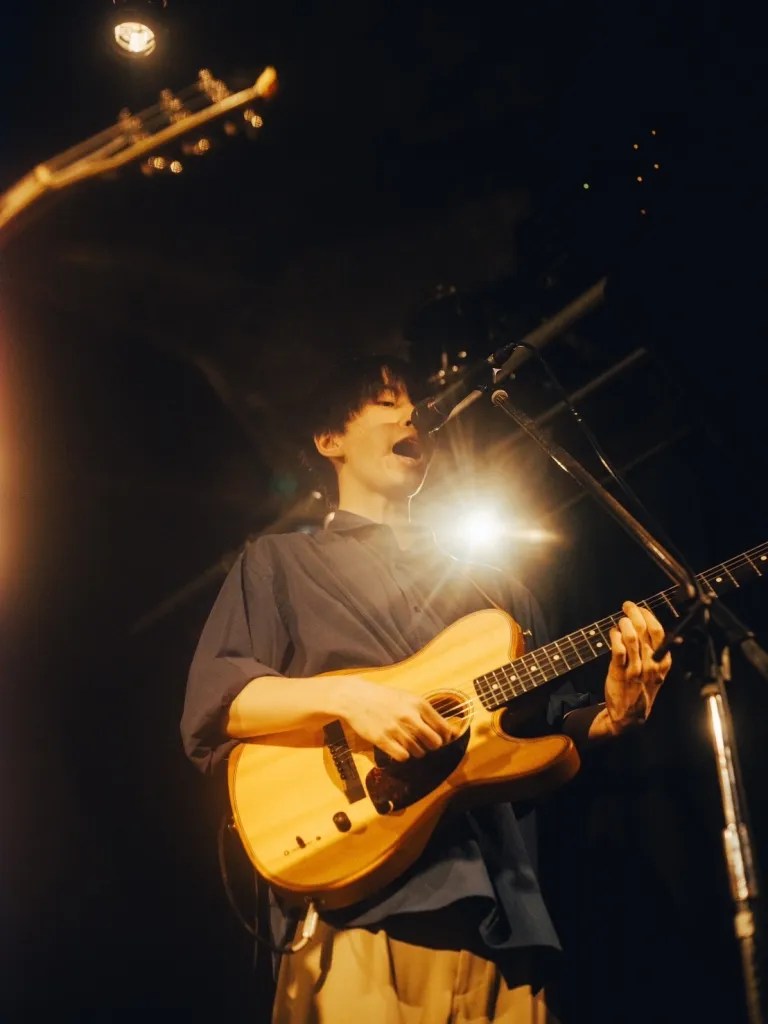
The band does carry greater ambitions moving forward – Onishi hopes to connect more with international listeners, who have the chance to hear the band via streaming and other platforms, while Komono dreams of creating live events that find them collaborating with non-music creators (“like, what if we had a festival where we play, but you could also watch people paint, or see people cook?”). Whatever shape it takes comes directly from the members of Nagakumo themselves, who always stay focused on moving forward.
Note: This interview feature was originally published in Rantipole.
Patrick St. Michel is a Tokyo-based writer who has been covering Japan’s music scene since launching the blog Make Believe Melodies in 2009. His work has appeared in The Japan Times, Pitchfork, The Guardian, Bandcamp Daily, and many more places. He wrote an entry in the 33 1⁄3 series on J-pop group Perfume’s album GAME. He continues to blog at mbmelodies.substack.com
Leave a Reply